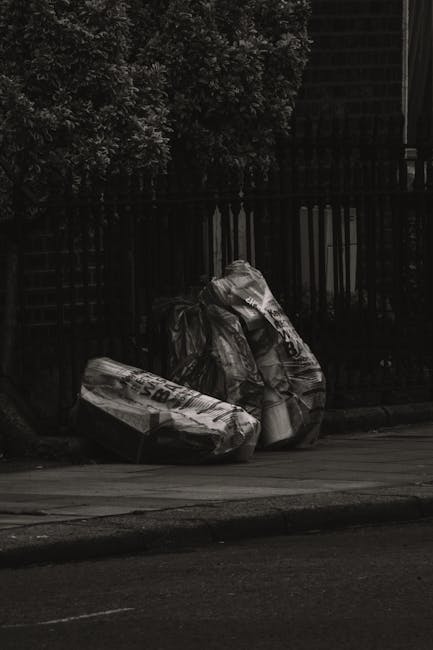
Angel Station area rubbish collection and bulky waste tips
If you live, work, or manage a property around Angel Station, rubbish has a habit of appearing at exactly the wrong time. A broken wardrobe by the door, a stack of flat-pack boxes in the hallway, a sofa that will not fit down the stairs, or a builder's pile quietly taking over the front room. This guide to Angel Station area rubbish collection and bulky waste tips is here to make that whole process easier, safer, and far less stressful. You will find practical advice on bulky items, local collection planning, recycling-minded choices, and the small details that often make the biggest difference. Truth be told, most waste problems are simple once you know what to do first.
Whether you are clearing a flat, handling post-refurbishment waste, or just trying to get rid of one awkward item without turning your Saturday into a saga, the goal is the same: remove the rubbish properly, avoid unnecessary damage, and keep the job moving. If you need broader help with a property clear-out, services like home clearance or flat clearance can be useful starting points, especially when the waste is mixed and not just one bulky piece.
Table of Contents
- Why Angel Station rubbish collection matters
- How local rubbish collection and bulky waste disposal works
- Key benefits and practical advantages
- Who this is for and when it makes sense
- Step-by-step guidance
- Expert tips for better results
- Common mistakes to avoid
- Tools, resources and recommendations
- Law, compliance, standards, and best practice
- Options and comparison table
- Case study or real-world example
- Practical checklist
- Conclusion
- Frequently asked questions
Why Angel Station area rubbish collection and bulky waste tips Matters
Angel Station sits in a busy, tightly packed part of London, and that changes how rubbish behaves. Space is limited, pavements are busy, stairwells are narrow, and a single bulky item can block access in a way you would not expect until you are standing there with a chest of drawers halfway through a landing. The local context matters because rubbish collection is not only about disposal; it is about timing, access, safety, and keeping shared spaces usable.
Bulky waste is a different beast from everyday bin waste. A bin bag is one thing. A bed base, freezer, sofa, or office desk is another. These items may be too large for normal household disposal, too awkward for a lift, and too heavy for one person to move safely. In a place like Angel, where many homes are flats, conversions, or managed buildings, a sensible plan stops one item from creating a chain reaction of inconvenience.
There is also the practical side. Leaving bulky rubbish unmanaged can create trip hazards, bad smells, pest issues, fire risks, and complaints from neighbours or building managers. And yes, it can also turn into a bit of a visual eyesore fast. Nobody wants to come home to a corridor that looks like a half-finished set move-out.
If you are handling a full property rather than one item, it is often worth looking at broader services such as house clearance or furniture disposal so that the job is handled as a proper, orderly clearance rather than a pile-up of separate trips.
Expert summary: In dense urban areas like Angel Station, bulky waste is less about "getting rid of stuff" and more about planning around access, safety, neighbours, and the quickest lawful route off the property.
How Angel Station area rubbish collection and bulky waste tips Works
At a practical level, rubbish collection in the Angel area tends to fall into a few common routes: regular council-style disposal, scheduled bulky item collection, private waste removal, or a mixed approach depending on the job. The right choice depends on the amount of waste, what the items are made of, how quickly they need to go, and whether the waste includes anything special like builders' debris or office furniture.
For bulky waste, the key questions are usually:
- Can the item be safely broken down?
- Can it be moved without damaging stairs, lifts, walls, or doors?
- Does it contain materials that need special handling?
- Is it clean enough to be reused, or should it be disposed of?
- How much time do you actually have?
That last one is important. Let's face it, "I'll deal with it later" is how a spare bed frame becomes a permanent feature of the room.
A small one-off item may be straightforward. But once you get into multiple pieces, mixed waste, or access challenges, the process becomes more like a mini logistics job. Items should be separated where possible, loaded carefully, and moved in a way that respects shared spaces. If the waste includes worn furniture, a furniture-specific service can be more efficient than trying to bundle everything into one vague removal plan. In some cases, furniture clearance is the cleaner route because it keeps the job focused on the items taking up the most space.
For business premises, the workflow is slightly different again. Offices often need fast clearance with minimal disruption, which is why office clearance and business waste removal can be more suitable than a domestic approach.
Key Benefits and Practical Advantages
Good rubbish collection planning does more than make a room look tidy. It reduces friction. That sounds simple, but in real life it means fewer delays, less physical strain, less accidental damage, and a better chance of getting the waste dealt with in one go.
Here are the main advantages people notice most:
- Less stress: You are not juggling multiple trips, awkward lifting, or unclear disposal rules.
- Safer movement: Heavy items can be managed with the right equipment and enough hands.
- Cleaner common areas: Hallways, entrances, and shared stairwells stay usable.
- Better recycling outcomes: Reusable or recyclable materials can be separated more sensibly.
- Faster turnaround: Particularly useful if you are moving out, preparing a rental, or finishing works.
- Fewer neighbour issues: Bulky waste left too long tends to attract complaints. Fair enough, really.
There is another benefit people sometimes miss: decision clarity. Once you know what is going, where it is going, and how it will be moved, everything else gets easier. That includes quotes, timings, and whether you can reuse items, donate them, or send them for recycling instead of sending them straight to general waste.
For customers who want value plus reliability, it can also help to compare options early through pricing and quotes rather than waiting until the waste is already blocking a doorway.
Who This Is For and When It Makes Sense
This kind of rubbish collection advice is useful for far more people than you might think. It is not only for landlords or people doing a full house clear-out. Around Angel Station, the most common situations usually include:
- Residents clearing out a flat after a move
- Landlords preparing a property for new tenants
- Letting agents dealing with left-behind furniture
- Homeowners clearing lofts, garages, or spare rooms
- Businesses removing old desks, shelving, and mixed office clutter
- Tradespeople dealing with builders' waste after a small project
- People replacing a sofa, bed, wardrobe, or appliance
It also makes sense whenever the item is too big for standard household bins, too heavy to handle alone, or too awkward to leave on the pavement without creating a nuisance. If you have ever tried to tilt a worn-out sofa through a narrow hallway at an angle that makes no physical sense, you already know the problem. Some jobs just need a smarter plan.
For lighter domestic clear-outs, furniture disposal can be a straightforward option. For larger multi-room jobs, loft clearance or garage clearance may fit better because they cover the hidden spaces where bulky items tend to accumulate.
Step-by-Step Guidance
If you want the job to go smoothly, use a simple process. Nothing fancy. Just a clear order that keeps surprises to a minimum.
- Walk through the space first. Check every room, cupboard, corner, and storage area. Small items often hide around the big ones.
- Sort the waste by type. Keep furniture, general rubbish, wood, metal, green waste, and electrical items apart where possible.
- Identify anything reusable. A table with solid legs or a decent chair might be worth keeping, donating, or reselling.
- Measure awkward items. Doorways, lifts, stair turns, and corridor widths matter more than people expect.
- Check for hazards. Broken glass, sharp edges, loose screws, damp materials, and heavy appliances should be handled carefully.
- Decide what can be broken down. Flat-pack furniture, shelving, and bed frames often become much easier to move once dismantled.
- Plan the removal route. Make sure hallways are clear and there is a safe place for the waste to be placed briefly before loading.
- Book the right service. If the waste is mixed or bulky, choose a provider that can handle the whole load rather than piecing it together yourself.
At this stage, many people realise the job is less about lifting and more about sequencing. That is the trick, really. A tidy sequence beats brute force nearly every time.
If you are dealing with a full property or a rental turnover, a broader service such as home clearance can save a lot of back-and-forth because it covers multiple waste types in one organised visit.
Expert Tips for Better Results
A few small habits can make a bulky waste job dramatically easier. These are the things people often learn only after one annoying experience, usually involving a stairwell and one badly placed wardrobe.
- Take photos before moving anything. This helps you compare the before-and-after state and keeps everyone on the same page if you are coordinating with a property manager.
- Leave a clear path. Shoes, plant pots, recycling bags, and random boxes all slow the job down. Move them out early.
- Use gloves and proper footwear. Sounds obvious, but you would be surprised how often people forget.
- Separate hazardous or special items early. Do not let them get mixed into general waste.
- Check what can be reused. Reuse is often easier than people think, and it is usually the nicer option where possible.
- Be honest about the volume. Underestimating waste is the easiest way to end up with a half-finished job and another round of disruption.
If the bulk of your waste is outdoor material, garden clearance may be more appropriate than a general rubbish job. And if the issue is renovation leftovers, builders waste clearance is usually the safer match because rubble, timber, packaging, and broken fittings need a different handling approach.
One more practical tip: schedule removals for a time when lift access, road access, and building entry are least likely to be congested. A quiet mid-morning slot can feel like a luxury on a busy London street. Tiny win, but still a win.
Common Mistakes to Avoid
The biggest waste mistakes are usually not dramatic. They are small oversights that snowball. A few to watch out for:
- Leaving bulky waste in shared areas too long. That is how complaints and safety issues start.
- Guessing the size and weight. "It'll be fine" is not a measurement.
- Mixing everything together. Mixed waste is harder to sort, slower to remove, and often less efficient.
- Forgetting about access. A sofa that fits the room may still be impossible to get out of the property without planning.
- Ignoring electronics or appliances. These often need separate handling from ordinary rubbish.
- Rushing the dismantling process. Strip items down carefully so you do not create sharper, more awkward waste than you started with.
Another common slip is assuming every bulky item is the same. It really is not. A mattress behaves differently from a wardrobe. A fridge is different again. If your waste mix is broad, use a service that can handle the full range rather than trying to force everything into one category. That is where people get stuck.
Tools, Resources and Recommendations
You do not need specialist kit for every job, but a few simple tools make a noticeable difference. Think of this as a practical starter set for sane waste handling:
- Work gloves with a decent grip
- Strong bin bags for smaller loose waste
- Scrap boxes for screws, fittings, and fixings
- Tape or labels for grouping parts together
- A trolley or sack truck for heavier loads, where suitable
- Protective floor covering or old blankets to reduce marking on shared floors
- Screwdrivers, Allen keys, and a basic dismantling kit
For most people, the real resource is not a tool at all but a plan. A simple list of what stays, what goes, and what needs special handling can save an hour or two. Sometimes more. Especially in older buildings with narrow staircases and corners that seem determined to make life difficult.
When in doubt, choose the service that matches the job type rather than the item type alone. A small office clear-out can still produce a huge amount of bulky waste, which is why office clearance is worth considering even for modest premises. If you want to understand how responsible disposal is handled, the company's recycling and sustainability information is also a useful place to look.
Law, Compliance, Standards, or Best Practice
Waste disposal in the UK comes with a clear expectation: rubbish should be handled responsibly, kept out of public spaces longer than necessary, and passed to an appropriate carrier or collection route. Exact rules can vary depending on the waste type and the local authority arrangements, so it is wise to check the specifics for your situation rather than assuming one rule fits every job.
For residents and property managers around Angel Station, the safest approach is to treat bulky waste as something that should be documented, separated where possible, and transferred to the correct collection method. That matters for several reasons:
- Duty of care: Waste should not just disappear into an unknown chain of handling.
- Safety: Sharp, heavy, or unstable items can injure people during lifting or storage.
- Nuisance prevention: Piling waste in shared areas can obstruct access and create hazards.
- Environmental best practice: Reuse and recycling should be considered before disposal where realistic.
If you manage a property, it is also sensible to keep records of what was removed, when it went, and how it was handled. Nothing overcomplicated. Just enough to show the job was done properly. That kind of simple housekeeping is often what saves a headache later.
Some customers ask whether a cheaper option is fine if the waste "isn't much." Maybe. But the real question is whether the removal method is appropriate. Cheap and careless is never a bargain, not really.
Options, Methods, or Comparison Table
There is no single best method for every bulky waste job. The right choice depends on the item, access, urgency, and how much sorting you are prepared to do. Here is a simple comparison to help you think it through.
| Method | Best for | Advantages | Limitations |
|---|---|---|---|
| DIY disposal | Very small, manageable items | Low direct cost, full control | Time-consuming, heavy lifting, access issues |
| Regular council-style bulky collection | Single or limited bulky items | Simple for straightforward loads | May require waiting, item limits, access restrictions |
| Private waste removal | Mixed waste, urgent jobs, awkward access | Flexible, faster, handles more types of waste | Usually higher cost than DIY |
| Full clearance service | Whole rooms, flats, or properties | Efficient for larger jobs, less stress | May be more than you need for one item |
For many Angel Station properties, the middle ground works best. Not everything needs a full clearance, but not everything is sensible to move yourself either. A single broken bed frame? Maybe a targeted furniture job. A packed spare room, old desk, and a pile of boxes? That is closer to a general clearance. If you are clearing a contained storage space, loft clearance can be especially useful because lofts tend to hide forgotten items and awkward shapes all at once.
Case Study or Real-World Example
A typical Angel Station scenario looks something like this. A tenant is moving out of a second-floor flat. They have a damaged wardrobe, an old mattress, two bags of mixed rubbish, a dismantled coffee table, and a couple of boxes left from a recent delivery. Nothing dramatic. But the hallway is tight, the lift is small, and there is not much time before the keys need to be handed back.
The first problem is not the amount of waste. It is the combination of waste type and access. The wardrobe needs dismantling. The mattress is bulky but light enough to move with the right grip. The boxes are easy, but they should not be left loose and open while everything else is being organised. The best result comes from sorting the items first, then moving the lighter parts out of the way, then removing the larger furniture in a planned sequence.
In a situation like that, the value of good planning becomes obvious. The tenant avoids last-minute panic. The hallway stays clear. The removal is quicker. And the flat is left in a more presentable state for inspection. Nothing glamorous. Just tidy, efficient, done.
For a larger version of the same problem, perhaps with more furniture and storage clutter, a combined service such as furniture clearance alongside broader waste removal can be the practical answer. It keeps the process coordinated, which matters more than people sometimes admit.
Practical Checklist
Use this before any bulky waste collection or rubbish removal in the Angel Station area:
- Identify every item that needs removing
- Separate reusable, recyclable, and general waste
- Check door widths, stairs, lifts, and access routes
- Measure the bulkiest items
- Remove hazards like loose glass, sharp metal, or unstable stacks
- Decide what can be dismantled safely
- Clear hallways, landings, and entry points
- Confirm whether you need a domestic, furniture, garden, builder's, or office-focused service
- Prepare bags, labels, and protective materials
- Make sure everyone involved knows the timing and access plan
- Keep records if you manage the property
Small reminder: a ten-minute prep can save a surprisingly messy hour later on. It is one of those jobs where the boring part is the useful part.
Conclusion
Angel Station area rubbish collection and bulky waste tips come down to one clear idea: plan first, move second, and choose the right route for the waste in front of you. In a busy part of London, that approach saves time, reduces stress, and makes the whole job feel much more manageable. Whether you are dealing with a single oversized item, a flat full of mixed waste, or a bigger clearance after moving or renovating, the best outcome usually starts with a calm, organised first step.
Think about access. Think about safety. Think about what can be reused or separated. And if the job is bigger than it first looked, that is perfectly normal. Happens all the time. The important thing is to handle it in a way that keeps the property, the people in it, and the wider space in good shape.
If you are ready to sort out your waste properly, explore the most relevant clearance options, compare the job carefully, and take the next step with confidence.
Get a free quote today and see how much you can save.
Frequently Asked Questions
What counts as bulky waste in the Angel Station area?
Bulky waste usually means items too large or awkward for normal household bins, such as sofas, mattresses, wardrobes, tables, appliances, and mixed furniture. In flats around Angel, it often also includes items that are physically hard to move through narrow stairwells or shared entrances.
Can I leave bulky rubbish outside for collection?
Only if your chosen collection method allows it and it will not block access or create a nuisance. In shared buildings, it is better to keep items inside until the pickup is properly arranged. Leaving items out too early can cause complaints or safety issues.
Is it better to dismantle furniture before removal?
Usually, yes. Taking a bed frame, table, or shelving apart often makes it safer and faster to remove. It also reduces the risk of damage to walls, doors, and communal areas. Just keep fixings together so the job does not become a small treasure hunt later.
What should I do with mixed rubbish and old furniture together?
Sort the waste where possible, then decide whether a general clearance or a furniture-led service makes more sense. Mixed waste often benefits from a broader approach because it avoids handling each category separately.
How do I know whether I need a full clearance or just bulky waste removal?
If you are removing one or two large items, bulky waste removal may be enough. If you are clearing several rooms, a loft, or a property after a move, a broader service like home clearance or flat clearance is usually the better fit.
What if the item is too heavy for me to move safely?
Do not try to force it. Heavy or awkward items can cause injuries very quickly, especially on stairs or in tight hallways. It is better to arrange proper help than to risk a back injury or damage to the property.
Can office furniture be collected with domestic rubbish?
Sometimes, but it depends on the waste type and the collection method. Desks, chairs, shelving, and paperwork are often better handled through office clearance or business waste removal so the removal is more organised and appropriate.
Are garden cuttings and outdoor items classed the same as bulky waste?
Not always. Garden waste can often be handled more efficiently through a garden-focused clearance, especially if the load includes soil, branches, planters, and broken outdoor furniture. It is worth separating outdoor material from indoor rubbish before booking.
What are the biggest mistakes people make with bulky waste?
The most common mistakes are underestimating the size of the job, leaving access planning too late, mixing all waste together, and trying to move heavy items without enough help. Those are the things that turn a simple job into a long one.
Why do people in flats around Angel Station struggle more with rubbish removal?
Usually because of access. Stairs, lifts, parking, shared entrances, and limited storage all make bulky waste harder to manage. A job that feels easy in a house can become much more complicated in a flat, especially if timing is tight.
How can I make rubbish collection faster and less disruptive?
Sort items first, clear the route, dismantle what you can, and choose the right service for the waste type. If possible, remove smaller items before the bulky ones so the area is easier to work in. A little order goes a long way.
Is recycling worth thinking about for bulky waste?
Yes, absolutely. Some furniture, metal, wood, and appliances can often be separated or handled in a way that supports reuse or recycling. Even if the item is too worn to keep, parts of it may still have value in the right disposal stream.
Who should I contact if I need help with a larger clearance?
If the waste is more than a single item or involves multiple rooms, it is sensible to speak with a clearance provider that handles a range of domestic and business waste types. That way, you are less likely to end up coordinating several separate jobs.
What is the safest first step if I am not sure how to start?
Start with a quick walk-through and a simple list of what needs to go. Once you have that, the rest becomes much clearer. Honestly, half the anxiety disappears the moment the waste stops being a vague problem and becomes a list.